
Best Hypnotherapy in Los Angeles
What is Hypnotherapy?
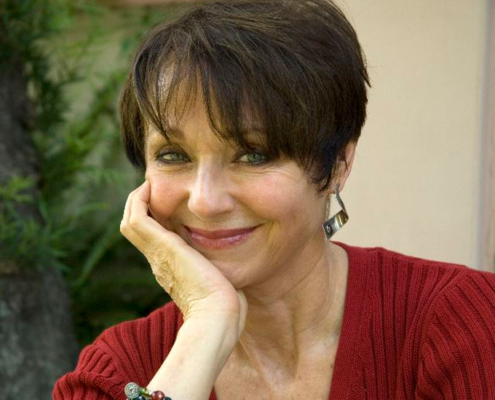
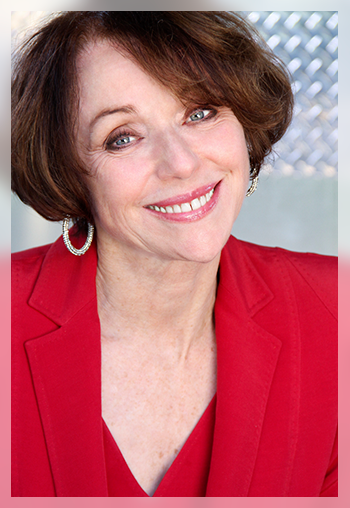
Hi, I’m Stephanie Riseley, a Certified Hypnotherapist, trained by Brian Weiss, M.D.
Hypnotherapy is simply a relaxed state of focused concentration. No one “gets stuck” in hypnosis. No one can make you do anything you don’t want to do. Forget the stuff you’ve seen on TV. There’s nothing magical or weird about hypnosis.
Think of a fresh, juicy lemon. Now imagine that I’ve cut it open, and all the juice has squirted out. Did your mouth water? Good! Then you just hypnotized yourself. Wasn’t that easy?
By using hypnosis, Awareness Therapy, Mindfulness, and other scientifically proven techniques, you can uncover the underlying causes of your problems.
For more than 30 years, I’ve helped people just like you conquer the compulsive thoughts, beliefs, and behaviors. Scientific research proves that hypnotherapy is more effective than psychotropic drugs to treat anxiety disorders and depression.
My hypnotherapy sessions can help you lose weight, stop smoking, and put an end to sabotaging addictive behaviors. I make an MP3 audio to reinforce each session.
I have a Master’s Degree from UCLA and an Undergraduate Degree from the University of California at Berkeley. I worked at UCLA’s Neuropsychiatric Institute for four years and conducted the field research that informed the Diagnostic and Statistical Manual of Mental Disorders (DSM-III-R).
I also did six years of Jungian dream analysis training at UCLA’s NPI. On top of that, I had ten years of old-fashioned talking therapy – traditional psychotherapy or “complaining therapy.”
Stop complaining to yourself. Stop feeling that you’re not good enough! You can become healthier, happier, and proud of yourself.
If you’re ready to change, I can help you. Call me!